Tag Archives: #operatingroom

Electrosurgery & Cautery Safety: Protecting Patients Through Vigilance, Communication, and Best Practice

A Personal Note on Perioperative Practice

Every day in the operating room, perioperative professionals carry an extraordinary level of awareness and responsibility. Our roles — whether as nurses, surgeons, anaesthesiologists, surgical technologists, ODP’s or surgical assistants — require us to think about far more than the technical steps of a procedure.

We are constantly managing:

  • the safety and comfort of our patient

  • the surgeon’s needs and the flow of the operation

  • sterility, equipment, instrumentation, and positioning

  • oxygen levels, fire risks, energy devices, and electrosurgical safety

  • implants, allergies, comorbidities, medications, and documentation

  • communication across multiple teams

  • and the unexpected events that can arise at any moment

This level of complexity is part of what makes perioperative practice so unique — and so demanding. Electrosurgical and airway safety are only one piece of our daily responsibilities, yet they require constant vigilance and teamwork. A single decision, moment of inattention, or missed communication can have serious implications for patient safety.

What keeps patients safe is not any one person, guideline, or device.
It is the collective, coordinated awareness of every member of the surgical team.

This blog reflects the real clinical reality we face every day:
that perioperative care is a blend of technical skill, professional judgement, continuous learning, and shared responsibility. These high levels of awareness are the quiet work we do every single day to protect our patients — often without them ever knowing.


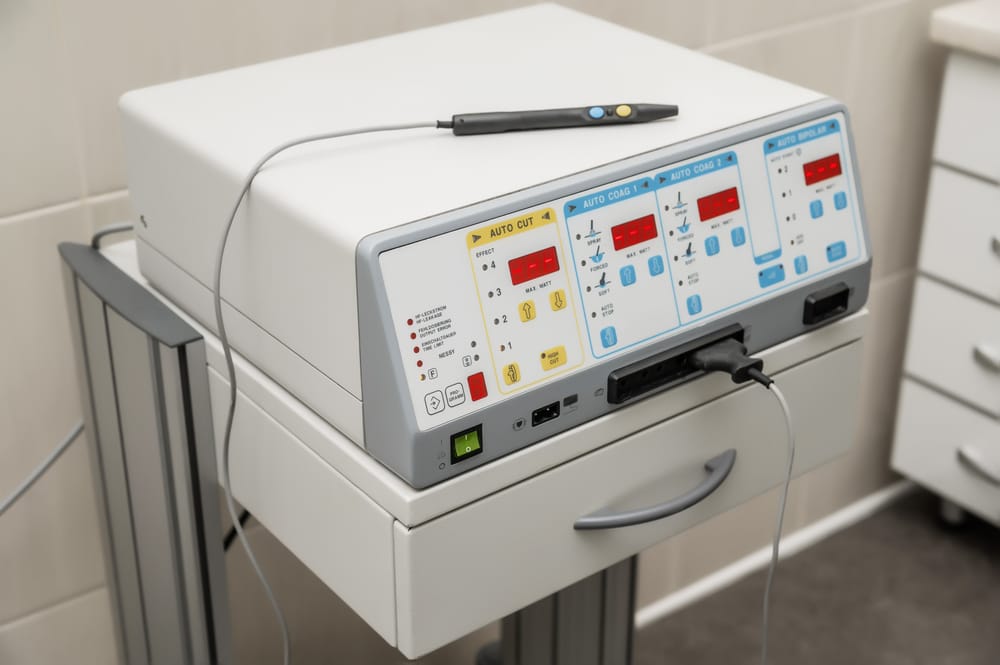
Electrosurgery is an essential tool in modern surgery, enabling effective cutting, coagulation, and hemostasis. But despite its benefits, electrosurgery carries real risks — including patient burns, fire hazards in oxygen-rich environments, alternate-site current injuries, and complications involving metal implants and external monitoring devices such as CGM sensors.

Improving safety requires situational awareness, strong communication, proper equipment use, and ongoing education. This blog highlights key risks, best practices, international standards, and emerging considerations for perioperative teams.


🔎 Understanding the Risks of Electrosurgical Burns

Electrosurgery-related burns arise from:

  • Poor grounding pad adhesion

  • Incorrect pad placement over hair, scars, or bony prominences

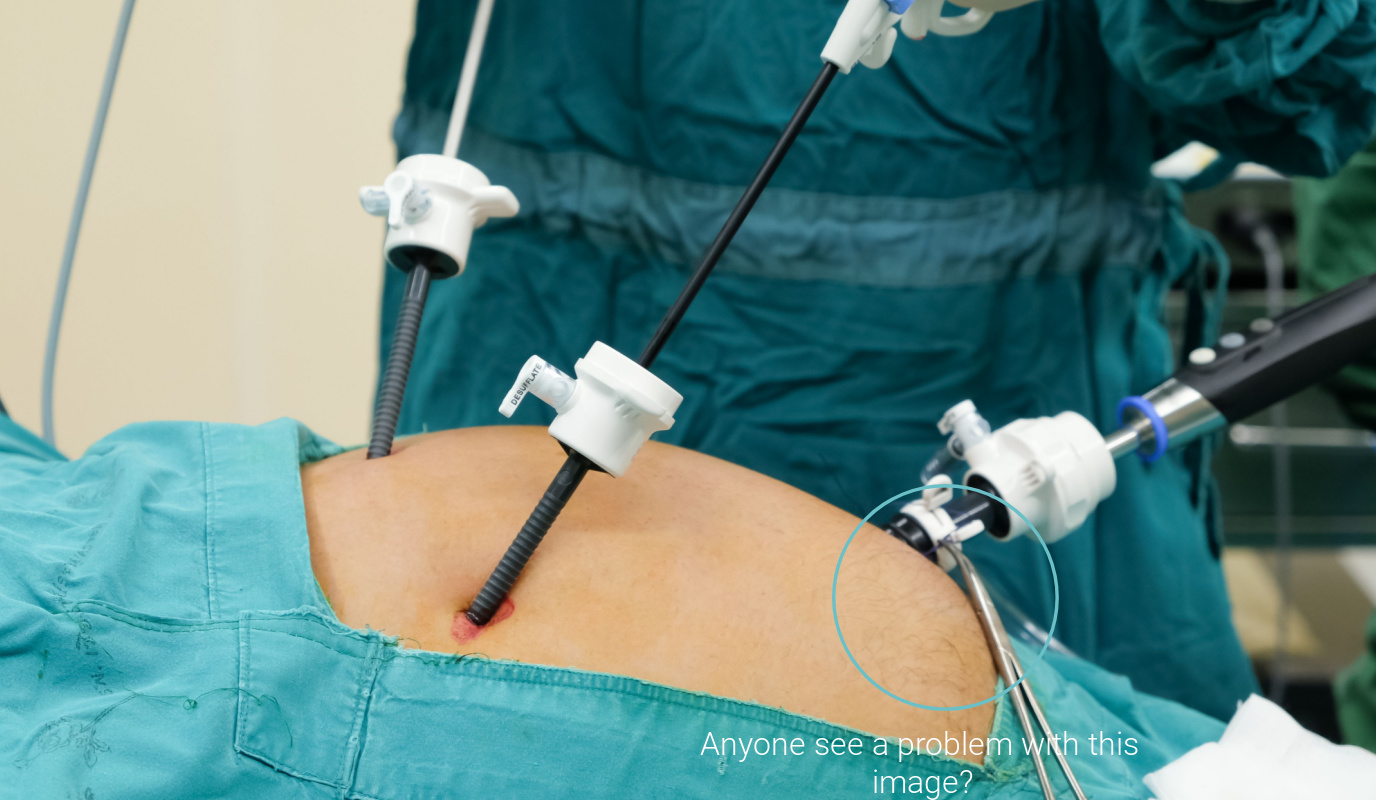
  • Insulation failure of laparoscopic instruments

  • Capacitive or direct coupling

  • Alternate current pathways involving metal implants such as hip or knee replacements, plates, and screws

These injuries can be deep, severe, and require further surgery — nearly all preventable.


Fire Risk in Oxygen-Enriched Settings

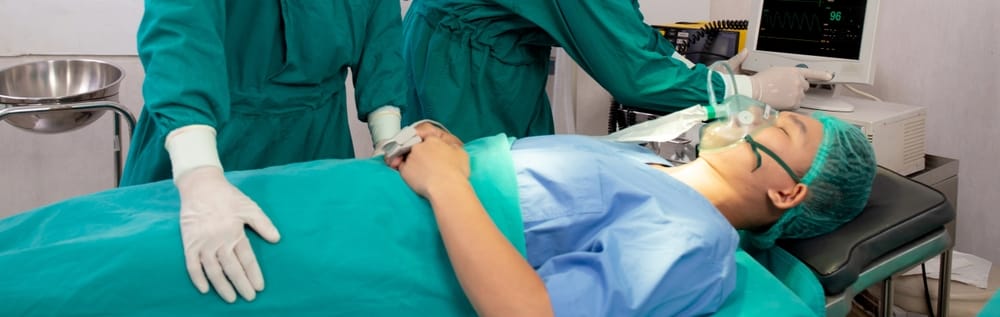
During head, neck, and airway procedures — especially under sedation — oxygen accumulates under drapes. In combination with electrocautery, this forms the fire triangle:

Ignition (ESU) + Oxygen + Fuel (drapes, alcohol prep)

Consequences may include facial burns, airway injury, and equipment damage.
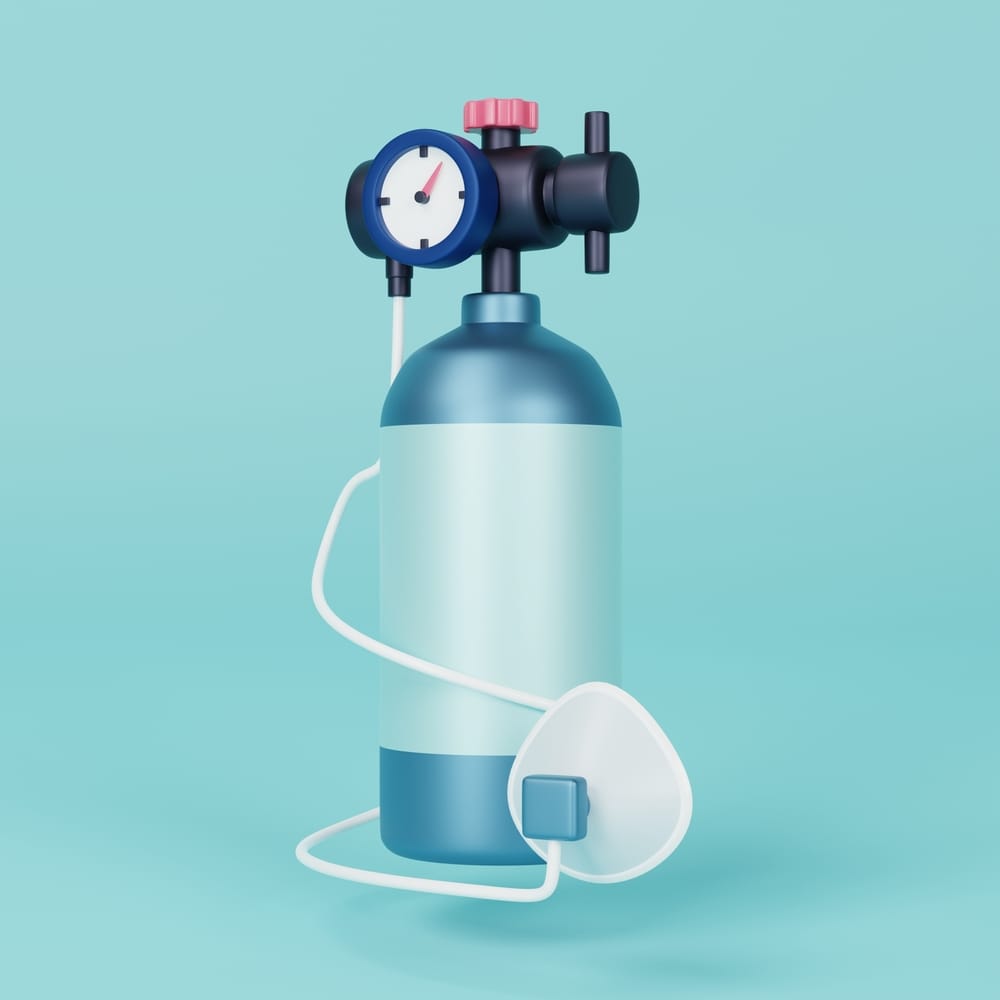

🔒 Oxygen & Airway Safety (AST & ASA Best Practice)

Safe electrosurgery near the airway is a team responsibility shared by surgeons, anaesthesiologists, nurses, and surgical technologists. Both the Association of Surgical Technologists (AST) and the American Society of Anesthesiologists (ASA) provide clear guidance to reduce surgical fire risk in oxygen-enriched environments.

AST Key Recommendations

  • Keep oxygen concentration below 30% whenever possible.

  • If higher oxygen is required, avoid open delivery systems and consider ETT or LMA.

  • Stop or reduce supplemental oxygen or nitrous oxide for at least one minute before activating electrosurgery, battery-powered cautery, or lasers during head, neck, and upper-chest procedures.

ASA Practice Advisory

  • Surgeons must alert anesthesia before activating any ignition source.

  • Anesthesia must alert surgeons if oxygen concentration is elevated or if an oxygen-enriched atmosphere is present.

  • Reduce oxygen to the lowest level that maintains safe saturation whenever clinically feasible.

Why this matters

These recommendations help all perioperative professionals minimise ignition risk, coordinate timing, and maintain safe oxygen practices when using electrosurgery near the airway.

Metal Implants & External Metal Devices

Perioperative teams must confirm the presence and location of:

  • Joint replacements

  • Orthopaedic plates, screws, rods

  • Cardiac/neurostimulators

  • Metal-backed electrodes

  • Diabetic glucose-monitoring systems with metal components

These items may unintentionally divert electrical current and cause burns.

Global Consensus

Every major organisation agrees:

Electrosurgery safety is a non-negotiable core competency for all perioperative practitioners — nurses, surgical technologists, and assistants.

This includes:

  • ESU physics

  • Pad placement

  • REM monitoring

  • Implant/CGM identification

  • Fire prevention

  • Airway safety

  • Insulation failure recognition

  • Oxygen management

  • Documentation and communication


What the data actually shows (2020–2025)

There is no single global registry that counts “all ESU burns” per year, so we have to pull from several reliable signals: medico-legal claims, sentinel event reports, and national safety alerts. All of them agree on one thing: burns and fires from electrosurgery are real, ongoing, and under-reported.


United Kingdom (NHS Resolution – diathermy burns)

NHS Resolution FOI data for England & Wales show clinical negligence claims where diathermy burns were the primary cause:

  • 2018/19 – 40 claims

  • 2019/20 – 26 claims

  • 2020/21 – 22 claims

  • 2021/22 – 17 claims

  • 2022/23 – 23 claims

  • 2023/24 – 21 claims

So from 2020/21 to 2023/24, there were around 20–25 closed claims per year specifically for diathermy burns in England and Wales alone. These are only cases serious enough to progress to a claim, so they almost certainly underestimate the true number of burns.


United States (energy-device injuries & surgical fires)

For the US, data sources point to both burn injuries and surgical fires where ESUs are the main ignition source:

  • A MAUDE database analysis of surgical energy-based device injuries (1994–2013) found 3,553 injuries and 178 deaths; thermal burns were 63% of injuries (~2,353 cases), and dispersive-electrode burns were a major mechanism. PubMed+1

    • This is older but still the key reference used in guidelines; there’s no newer 2020–2025 MAUDE summary yet.

  • A national review of surgical fires in the US from 2000–2020 identified 565 surgical fire events causing harm over 20 years (median 25 per year); in 82% of these, an electrosurgical device was the ignition source. ScienceDirect

  • A 2024 continuing-education article summarising Joint Commission data reports that from 1 Jan 2018 to 29 March 2023, 85 sentinel events related to fires or burns during surgery or procedures were reported, and notes that around 70% of surgical fires are caused by electrosurgical devices based on ECRI data. ast.org+2pedsurgeryupdate.com+2

Again, these are only the tip of the iceberg (fires and serious burns that get reported centrally), not every minor or moderate ESU burn is reported.


Australia (NSW & Victoria – incidents and sentinel events)

Australia doesn’t publish a national annual count of ESU/diathermy burns, but safety alerts and sentinel-event frameworks show clear concern:

  • NSW Health Safety Notice SN 013/23 reports a laparoscopic case where degraded insulation on a diathermy electrode caused a bowel burn requiring further surgery. NSW Health

  • The updated Safety Notice SN 020/25 notes that 10 additional incidents involving insulated laparoscopic instruments were reported across NSW since the original notice, prompting a strengthened response. NSW Health

  • Safer Care Victoria’s 2024 Sentinel Event Guide explicitly lists “in theatre diathermy accident or burn or where there is an explosion or fire” as a reportable sentinel event – meaning even a single case is treated as very serious. Better Safer Care

So, while we don’t have a neat “X per year” number for Australia, we do have clear evidence of ongoing patient harm, enough to drive repeat safety notices and inclusion as a sentinel event.


📌 IMPORTANT: Continuous Glucose Monitoring (CGM) in Surgery

With increasing community use, many patients arrive for surgery wearing CGM sensors, such as:

  • FreeStyle Libre

  • Dexcom

  • Medtronic Guardian

These devices contain metallic components, which can behave like unintended electrodes during monopolar electrosurgery, posing burn and interference risks.

⚠️ Device Interaction & Burn Risk

  • Manufacturers instruct removal before diathermy.

  • Research demonstrates increased tissue heating around metal implants/sensors with monopolar ESU.

  • Case reviews recommend positioning CGM away from the diathermy arc and considering alternative devices.

  • Mechanism mirrors documented ECG-electrode burns.

🧑‍⚕️ Perioperative Recommendations

  • Ask all diabetic patients about CGM use.

  • Document location and remove before ESU use.

  • If not removable:

    • Keep the device outside the current pathway

    • Place dispersive pad to route current away

    • Prefer bipolar or ultrasonic devices

Include in the surgical time-out:

“Is the patient wearing a CGM or metal glucose sensor?”
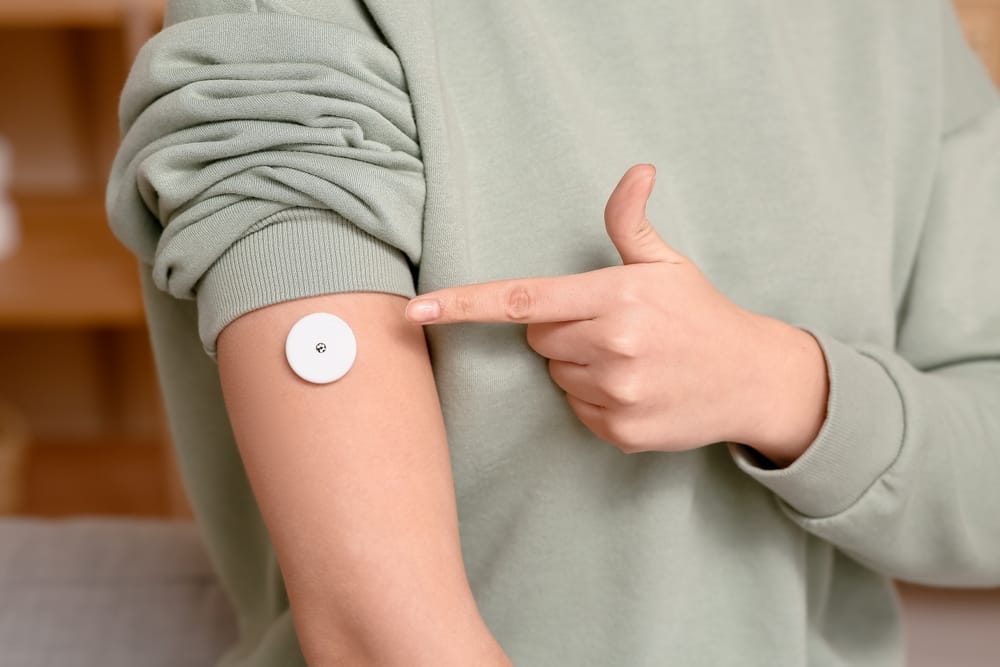

📝 CGM Safety Action Plan for Surgery

1. Inform the Healthcare Team. Patients must tell their surgeon, anaesthetist, and perioperative nurse if they wear a CGM device.

2. Remove the Device Before Surgery. Stop the current sensor session and remove all wearable components before entering the OR.

3. Monitor Glucose with Fingerstick While Removed. Use a standard glucose meter for monitoring and treatment decisions while CGM is off.

4. Replace the Sensor After Surgery. Apply a new CGM sensor after the procedure and confirm accuracy using a fingerstick glucose test.

5. Follow Manufacturer Guidance. Refer to official Dexcom, FreeStyle Libre, or Medtronic instructions for removal and replacement.


🧑‍⚕️ Best Practice Principles for Safe Electrosurgery

1. Pre-operative Screening & Communication

  • Identify metal implants, CGM sensors, and piercings.
  • Communicate clearly during team briefings.

2. Correct Grounding Pad (Dispersive Electrode) Placement

  • Apply to clean, dry, hair-free skin
  • Choose large muscular areas
  • Avoid scars, prostheses, bony areas
  • Recheck after repositioning
  • Document placement

3. Return Electrode Monitoring (REM): Audible Alarms Matter

  • REM provides an audible tone confirming contact.
  • Loss of contact triggers a loud alarm and cuts monopolar output.
  • ESUs may be placed out of view — making audible cues essential.
  • Audible alarm can be turned up or down, volume button is usually situated at the back of the ESU.

4. Safe Use Near the Airway

  • Minimise open oxygen
  • Use lowest flow possible
  • Allow oxygen to disperse before activation
  • Apply suction under drapes
  • Keep sterile water ready

5. Choosing the Safest Energy Modality

  • Prefer bipolar
  • Use advanced bipolar or ultrasonic devices when implants/CGM present
  • Avoid monopolar cautery near oxygen-rich environments

6. Education, Competency & Culture

Structured, ongoing training reduces preventable harm from burns and fires.

All perioperative staff, connecting ESU leads should be aware of Patient Safety and ESU protocols.


🌍 International Standards & Best Practices for Electrosurgery Safety

Safe ESU use is considered a mandatory competency worldwide. Major perioperative organisations outline strict expectations for education and practice.


AORN — USA

AORN’s Guideline for Safe Use of Energy-Generating Devices requires:

  • Mandatory ESU/energy-device education
  • Competency verification
  • Fire-prevention protocols
  • Standardised ESU setup and REM response
  • Annual competency review

ACORN — Australia

ACORN’s Standards for Perioperative Nursing include Electrosurgical Safety as a core clinical standard:

  • Monopolar/bipolar principles
  • Safe pad placement
  • Preventing alternate-site burns
  • Airway & oxygen management
  • Novice nurse education through Fundamentals of Intraoperative Nursing

AfPP — United Kingdom

AfPP’s standards emphasise:

  • Training & competency assessment
  • Equipment checks and risk management
  • ESU safety as part of routine clinical audits

ORNAC — Canada

ORNAC’s guidelines identify ESU safety as:

  • A foundational competency for perioperative RNs
  • A required component of approved perioperative education programs
  • A standard requiring annual review and validation

EORNA — Europe

EORNA’s Best Practice for Perioperative Care includes a full electrosurgery section covering:

  • Generator checks
  • REM
  • Burns from implants, piercings
  • Fire and oxygen risk
  • Safe handling of energy devices

AST / NBSTSA — Surgical Technologists (USA)

Surgical technology bodies require competency in:

  • ESU setup
  • Pad placement
  • Cautery-pencil safety
  • Insulation-failure identification
  • Fire prevention
  • Alternate current pathway risks

References

  1. AORN. Guideline for Safe Use of Energy-Generating Devices. In: Guidelines for Perioperative Practice. Association of periOperative Registered Nurses, USA.
  2. ACORN. Standards for Perioperative Nursing in Australia – Electrosurgical Safety Standard; Fundamentals of Intraoperative Nursing education resources. Australian College of Perioperative Nurses, Australia.
  3. AfPP. Standards and Recommendations for Safe Perioperative Practice. Association for Perioperative Practice, United Kingdom.
  4. ORNAC. Guidelines for Perioperative Nursing Practice in Canada. Operating Room Nurses Association of Canada.
  5. EORNA. Best Practice for Perioperative Care – Electrosurgical Safety section. European Operating Room Nurses Association.
  6. AST / NBSTSA. Core Curriculum for Surgical Technology and NBSTSA Certification Examination Content Outline – Surgical Energy and Electrosurgical Unit (ESU) Safety. Association of Surgical Technologists / National Board of Surgical Technology and Surgical Assisting.
  7. NHS Resolution (UK). FOI 6813 – Diathermy burns / reaction to prep – hospital-acquired infection claims data (2018/19–2023/24).
  8. NHS Resolution (UK). FOI 6278 – Diathermy burns – clinical negligence claims/incidents (2017/18–2022/23).
  9. NSW Health. Safety Notice SN 013/23 – Risk of burn injury from degraded insulated laparoscopic instruments. New South Wales Health, Australia.
  10. NSW Health. Safety Notice SN 020/25 – Further incidents involving insulated laparoscopic instruments. New South Wales Health, Australia.
  11. Safer Care Victoria. Victorian Sentinel Event Guide 2024 – In-theatre diathermy accident or burn, explosion or fire as a reportable sentinel event. Safer Care Victoria, Australia.
  12. U.S. Food and Drug Administration (FDA). MAUDE database analysis of energy-based surgical devices – injuries, deaths and proportion of thermal burns.
  13. ECRI Institute. Surgical Fires in the Operating Room – root causes and contribution of electrosurgical devices as ignition sources.
  14. The Joint Commission. Sentinel Event Data Summary (2018–2023) – Fires and burns during surgery and procedures.
  15. Canadian Medical Protective Association (CMPA). Intraoperative burns: learning from medico-legal cases – analysis of 53 intraoperative burn cases (2012–2016).
  16. CMPA. Surgical fires: managing the risks – summary of 54 medico-legal cases related to surgical fires in Canada.
  17. Health Canada. Medical Device Recall Notices – Patient return electrode pads used with electrosurgical units (2023–2024).
  18. Ontario Ministry of Labour, Immigration, Training and Skills Development. Alert: Preventing Surgical Fires in Hospital Operating Rooms (updated 2025).
  19. Abbott Diabetes Care. FreeStyle Libre Sensor – Important Safety Information (diathermy and high-frequency electrical treatment warnings).
  20. Dexcom. Dexcom Continuous Glucose Monitoring System – Safety Information (guidance regarding electrosurgery and imaging).
  21. Medtronic. Guardian / Medtronic CGM Systems – MRI and diathermy safety guidance.
  22. Studies examining tissue heating around metallic implants and glucose sensors during monopolar electrosurgery, demonstrating increased local temperature near metal.
  23. Electrosurgical safety literature describing ECG-electrode and external-electrode burn mechanisms caused by high current density and unintended alternate pathways.
  24. Case reports and reviews of electrosurgical pad burns, insulation failures, alternate-site burns and oxygen-related fires in head and neck / airway surgery.
  25. SAGES. Fundamentals of the Use of Surgical Energy (FUSE) – educational program highlighting common knowledge gaps in surgical energy safety among surgeons and perioperative clinicians.
  26. Association of Surgical Technologists (AST). Guidelines for Best Practices: Safe Use of Energy Devices. AST Standards of Practice for Surgical Technology and Surgical Assisting. (Includes recommendations for oxygen management, reducing oxidizer concentration, and pausing oxygen flow ≥1 minute before using electrosurgery or lasers during head, neck, and upper-chest procedures.)
  27. American Society of Anesthesiologists (ASA). Practice Advisory for the Prevention and Management of Operating Room Fires. ASA Task Force on Operating Room Fires. (Provides guidance for ignition-source control, team communication, and safe oxygen practices during electrosurgery and airway procedures.)

🛠️ The Essential Attributes of a Great Instrument Nurse-Scrub Tech- ODP

Introduction
In the high-stakes environment of the operating room (OR), both scrub techs and instrument (scrub) nurses are indispensable. These professionals not only manage surgical instruments but also play pivotal roles in patient safety, OR efficiency, and team cohesion.


1. Clinical & Technical Mastery

  • Aseptic technique & sterile field control: Managing the sterile field from prep to closure is crucial to prevent surgical-site infections.

  • Instrument knowledge & standardized preparation: Familiarity with instruments and consistent table setup enhances workflow and reduces errors

  • Accurate instrument and sponge counts: Precise counting is essential to prevent retained foreign bodies


2. Non-Technical Skills

  • Situational awareness & multitasking: Staying alert to the OR environment helps anticipate needs and manage unexpected disruptions

  • Teamwork & communication: Clear, timely communication reduces errors and builds team trust

  • Anticipation (“third hand”): Proactively anticipating the surgeon’s needs helps maintain procedural flow


3. Physical & Emotional Resilience

  • Manual dexterity & endurance: Handling delicate instruments plus long periods in surgery demand both precision and stamina

  • Stress management & composure: Maintaining calm under pressure is essential to prevent errors


4. Continuous Improvement & Professionalism

  • Adaptability & lifelong learning: Ongoing education, simulation training, and staying updated with OR advances are vital

  • Ethical conduct & integrity: Upholding standards—even when unsupervised—strengthens trust and safety culture


5. Technology & Innovation

  • Robotic and simulation tools: Emerging tech (robotic scrub nurses, training systems like Nosco Trainer) can augment—but not replace—human anticipation and precision


🧩 Summary Table

Attribute Impact on Patient Care & OR Efficiency
Technical Proficiency Reduces infection risk, expedites setup and transitions
Attention & Awareness Prevents retained items, maintains sterile conditions
Communication & Teamwork Improves coordination, minimizes miscommunication
Resilience & Dexterity Supports long, complex procedures
Continuous Learning Ensures competency with evolving procedures
Ethical Standards Builds credibility and trust through consistent practice


📚 References

  1. Glaser B, Schellenberg T, Neumann J, et al. Measuring and evaluating standardization of scrub nurse instrument table setups: a multi‑center study. Int J Comput Assist Radiol Surg. 2022 periopnursing.theclinics.com+2BioMed Central+2Wikipedia+2BioMed Central+2Wikipedia+2MDPI+2SpringerLink+1SpringerLink+1.

  2. Mohammadi M, Omid A, Tarrahi MJ, Ghadami A. The impact of intraoperative non‑technical skills training on scrub practitioners’ self‑efficacy: a randomized controlled trial. BMC Med Educ. May 7, 2025 BioMed Central.

  3. “Surgical instrument counting: Current practice and staff perspectives…” SciDirect. 2024 ScienceDirect.

  4. “What are the non‑technical skills used by scrub nurses?: An integrated review.” CORE, 2014 Academia+1core.ac.uk+1.

  5. Mitchell L, Flin R, Yule S, Maran N, Rowley D. Thinking ahead of the surgeon: identifying non‑technical skills for scrub nurse performance. J Adv Nurs. 2010 Academia.

  6. “What skills are essential for a Scrub Nurse?” Nursing‑Science.com Nursing Science+1Nursing Science+1.

  7. “Effects of Simulation‑based Scrub Nurse Education for Novice Nurses…” Nurs Simul. 2021 Wikipedia+15ScienceDirect+15Nursing Simulation+15.

  8. “Understanding stress factors for scrub nurses in the perioperative…” SciDirect. 2021 arxiv.org+7ScienceDirect+7Academia+7.

  9. “Robotic Scrub Nurse: Surgical Instrument Handling…” DeGruyter, 2023 SpringerLink+5De Gruyter Brill+5Nursing Science+5.

  10. Wikipedia: Instrument nurse, updated 1.2 years ago Wikipedia+1MDPI+1.

  11. Royal Cornwall Hospitals Trust: Scrub Practice Standards Clinical Guideline doclibrary-rcht.cornwall.nhs.uk+1BioMed Central+1.


🏥 Behind Every Calm Surgeon Is a Team Absorbing the Storm

In the high-stakes environment of the operating room (OR), every second counts. While surgeons often take center stage, it’s the cohesive effort of the entire surgical team that ensures patient safety and procedural success. Yet, this intricate dance is frequently disrupted by unforeseen challenges, leading to increased stress, potential errors, and compromised patient outcomes.


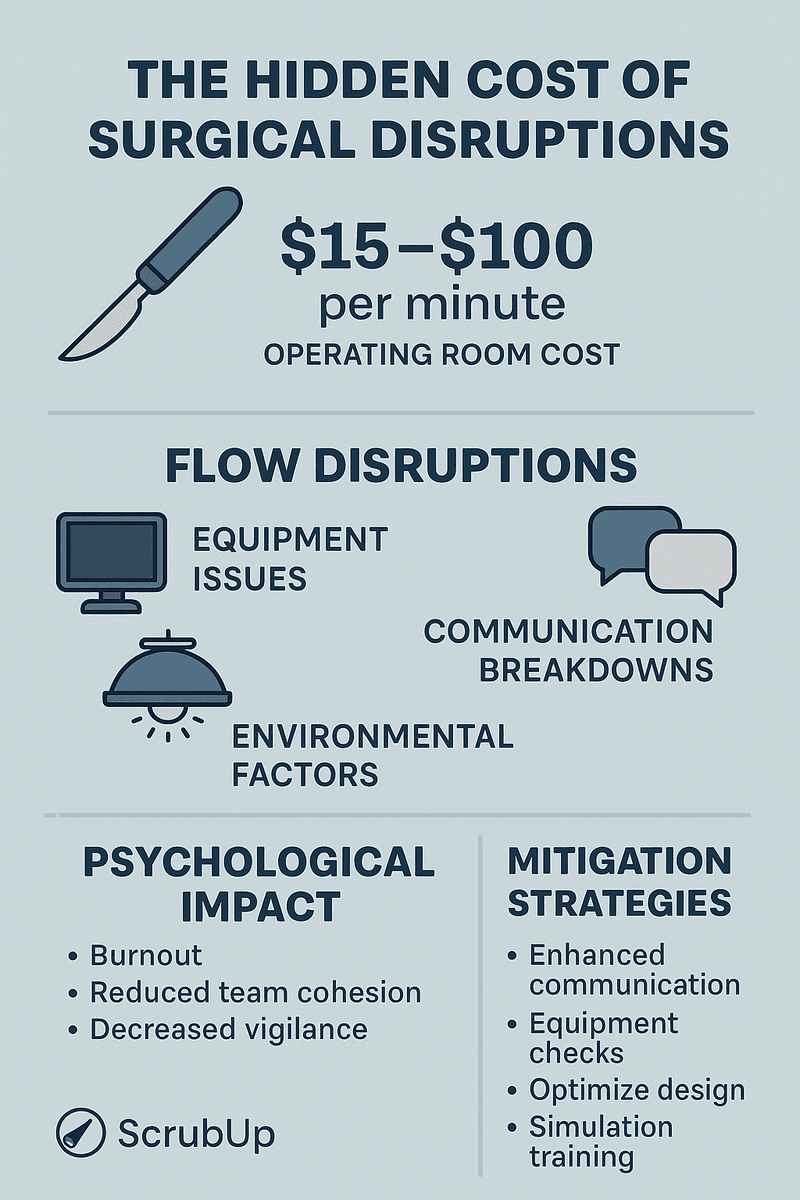
⏱️ The Hidden Costs of Operating Room Disruptions

Time is a critical resource in the OR. Delays not only escalate operational costs but also heighten risks for patients. Research indicates that each minute in the OR can cost between $15 and $100, depending on the procedure and facility . Factors contributing to these costs include:

  • Extended anesthesia time: Prolonged exposure increases the risk of complications.

  • Staff overtime: Delays can lead to extended shifts, impacting staff well-being and hospital budgets.

  • Reduced surgical throughput: Fewer procedures can be completed, affecting hospital revenue and patient access to care.

🔄 Understanding Flow Disruptions

Flow disruptions (FDs) are interruptions that divert the surgical team’s attention from the primary task. These can range from equipment malfunctions to unexpected staff changes. A systematic review highlighted that FDs are associated with increased surgical duration and heightened stress levels among OR staff .

Common sources of FDs include:

  • Equipment issues: Malfunctioning or missing tools can halt procedures.

  • Communication breakdowns: Misunderstandings or lack of information sharing can lead to errors.

  • Environmental factors: Poor OR layout or lighting can impede workflow.

🧠 The Psychological Toll on Surgical Teams

Beyond the tangible delays, FDs exert a significant psychological impact on OR personnel. A study focusing on robotic-assisted surgeries found that equipment-related FDs were linked to increased staff workload . Persistent disruptions can lead to:

  • Burnout: Continuous stress without adequate recovery can diminish job satisfaction.

  • Reduced team cohesion: Frequent interruptions can strain professional relationships.

  • Decreased vigilance: Over time, constant disruptions may desensitize staff to potential hazards.

🛠️ Strategies for Mitigating Disruptions

Addressing FDs requires a multifaceted approach:

  1. Enhanced Communication Protocols: Implementing standardized communication tools, like checklists, can ensure all team members are aligned.

  2. Regular Equipment Maintenance: Routine checks can preempt equipment failures.

  3. OR Design Optimization: Adjusting the physical layout can streamline workflows and reduce unnecessary movements.

  4. Training and Simulation: Regular drills can prepare teams to handle unexpected disruptions effectively.

📈 The Role of Technology in Streamlining OR Processes

Digital solutions, such as ScrubUp, offer platforms to:

  • Track surgical instruments: Ensuring all necessary tools are available and functional.

  • Manage team schedules: Coordinating staff shifts to maintain consistency.

  • Provide real-time updates: Keeping all team members informed about procedural changes or patient status.

By integrating such technologies, hospitals can reduce the frequency and impact of FDs, leading to improved patient outcomes and enhanced team morale.

🩺 Conclusion

The efficiency of the OR hinges not just on the surgeon’s skill but on the seamless collaboration of the entire surgical team. Recognizing and addressing the challenges posed by flow disruptions is paramount. Through proactive measures, continuous training, and the adoption of innovative technologies, we can foster an environment where both patients and healthcare professionals thrive.

https://qualitysafety.bmj.com/content/29/12/1033

https://link.springer.com/article/10.1007/s00464-023-10162-2

https://scrubupapp.com/surgical-time-cost-patient-risk/

The Intricate Workflow of Sterile Processing

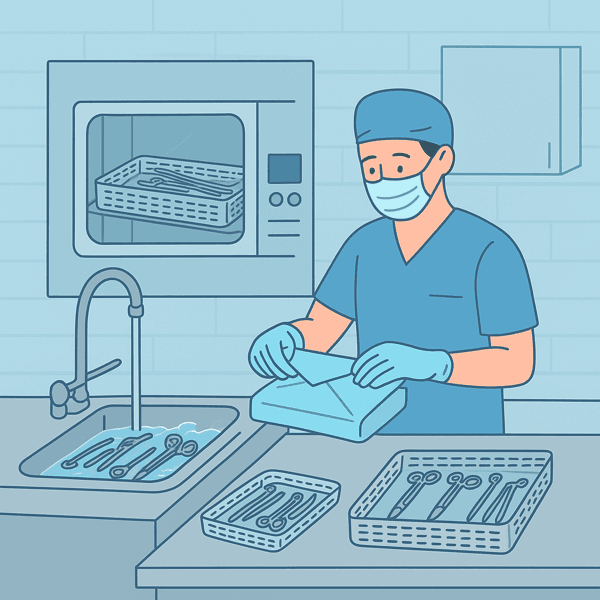
The SPD operates through a series of well-defined stages, each critical to maintaining instrument integrity and patient safety:

  1. Decontamination: Used instruments are transported to the decontamination area, where they undergo thorough cleaning to remove organic and inorganic materials. This process often involves manual scrubbing, ultrasonic cleaning, and the use of washer-disinfection .specialtycareus.com

  2. Inspection and Assembly: Post-cleaning, instruments are meticulously inspected for cleanliness and functionality. They are then assembled into sets according to specific surgical procedures, ensuring that each tray contains the necessary tools in proper working order .specialtycareus.com

  3. Sterilization: Assembled instrument sets are subjected to sterilization processes, commonly using steam sterilization at temperatures of 121°C (250°F) or 134°C (270°F). The choice of sterilization method depends on the instrument’s material and design .

  4. Storage and Distribution: Sterilized instruments are stored in controlled environments to maintain sterility until they are needed in surgical procedures. The SPD ensures timely distribution to operating rooms, aligning with surgical schedules .


Navigating the Challenges of Loan Instrument Sets

The integration of vendor-loaned instrument sets introduces additional complexity to the SPD’s operations. These sets, often comprising up to 10 +/- trays for a single procedure, require the same rigorous decontamination and sterilization processes as hospital-owned instruments. However, they frequently arrive with limited lead time, pressuring SPD staff to expedite processing without compromising standards .blog.pdchealthcare.com+2ospecsconsulting.com+2sterileally.com+2readysetsurgical.com+1healthtrustpg.com+1

Proper management of loan sets necessitates:presentations.patientsafety-me.com+6infectioncontroltoday.com+6sterileprocessingtech.org+6

  • Advance Communication: Coordinating with vendors to ensure timely delivery and provision of detailed instrument lists and sterilization instructions .aorn.org

  • Thorough Documentation: Maintaining accurate records of sterilization cycles, including biological and chemical indicator results, to verify compliance with safety protocols .specialtycareus.com

  • Staff Training: Ensuring SPD personnel are trained to handle the specific requirements of various loaner instruments, including disassembly and reassembly procedures .readysetsurgical.com+5blog.pdchealthcare.com+5presentations.patientsafety-me.com+5


Specialized Sterilization: Handling Heat-Sensitive Instruments

Certain medical devices, such as flexible endoscopes, are sensitive to the high temperatures of standard steam sterilization. For these instruments, ethylene oxide (EtO) gas sterilization is employed. EtO is effective in sterilizing complex devices without causing damage, making it suitable for items with intricate channels and heat-sensitive materials .

However, EtO sterilization presents challenges:aqrdm.org

  • Extended Processing Time: The EtO sterilization cycle can take up to 12 hours, including aeration time to remove residual gas .

  • Health and Safety Concerns: EtO is a known carcinogen, necessitating stringent safety measures to protect staff and patients .

As a result, some facilities are exploring alternative methods, such as vaporized hydrogen peroxide, which offers effective sterilization with shorter cycle times and fewer health risks .verywellhealth.com+1steris.com+1


The Critical Role of the SPD in Surgical Efficiency

The efficiency of the SPD directly impacts surgical schedules and patient outcomes. Delays in instrument processing can lead to postponed surgeries, increased patient wait times, and elevated healthcare costs. Therefore, the SPD’s ability to manage complex workflows, adapt to the demands of loan instruments, and employ appropriate sterilization methods is vital to the overall success of surgical services .


In conclusion, the Sterile Processing Department is a cornerstone of patient safety and surgical efficacy. Through meticulous processes and adaptability to evolving challenges, SPD professionals ensure that every instrument meets the highest standards of cleanliness and functionality, thereby upholding the integrity of healthcare delivery.sterileprocessingtech.org+5steris.com+5sterileally.com+5

🔖 Reference List

  1. Macario, A. (2010). What does one minute of operating room time cost? Journal of Clinical Anesthesia, 22(4), 233–236. https://doi.org/10.1016/j.jclinane.2010.02.003

  2. Centers for Disease Control and Prevention. (2019). Ethylene oxide sterilization. https://www.cdc.gov/infection-control/hcp/disinfection-sterilization/ethylene-oxide-sterilization.html

  3. SpecialtyCare. (n.d.). The Importance of the Sterile Processing Department in Hospitals. https://specialtycareus.com/hospital-sterile-processing

  4. STERIS. (n.d.). What is sterile processing? https://www.steris.com/healthcare/knowledge-center/sterile-processing/what-is-sterile-processing

  5. OSPECS Consulting. (2021). Vendor-loaned instrument reprocessing reality. https://ospecsconsulting.com/healthmarket-digest-vendor-loaned-instrument-reprocessing-reality

  6. Infection Control Today. (2020). Challenges associated with loaner instrumentation. https://www.infectioncontroltoday.com/view/challenges-associated-loaner-instrumentation

  7. Association of periOperative Registered Nurses (AORN). (n.d.). Sample Policy: Loaned Instruments. https://www.aorn.org/docs/default-source/aorndocuments/toolkits/perioperative-efficiency/instrument-turnover/sample-policy-loaned-instruments.pdf

  8. Verywell Health. (2023). Vaporized hydrogen peroxide: A safer sterilization alternative. https://www.verywellhealth.com/vaporized-hydrogen-peroxide-sterilize-medical-devices-8553818

Current Trends Impacting Operating Room Professionals


Innovation in healthcare has made a significant impact to enhance patient care and healthcare outcomes.

The operating room focuses on improving surgical outcomes, by implementing strategies and technology that optimise patient care.


As an experienced operating room nurse, I have observed the positive impact of technology on patient care.

However, successful implementation of intra-operative technology necessitates a strategic plan and continuous monitoring.


According to the Australian Government, 2023-2035, The Nursing Supply and Demand Study,’ there will be a shortage of 70,707 nurses by 2035. In acute care the estimated short fall is 26,665 nurses. Supply is not expected to keep pace with demand.’


It is essential to consider the wellbeing of healthcare professionals who, according to research, are experiencing burnout, lack experience, face high turnover rates, represent an ageing workforce, feel overworked and undervalued.


Data shows recognition and gratitude enhance healthcare professionals’ wellbeing, teamwork, and sense of value, which is crucial for a sustainable healthcare delivery system.


Healthcare professionals wellbeing must be prioritised when introducing new technology, requiring a balanced approach to ensure safety, support and compliance. Stable adoption needs time for adjustments, support, education, and ongoing training.


Innovative technology that significantly affects patient care can greatly influence clinical workflows and overall workload.


Any adjustments to clinical workflow/workload impacts on patient safety and a number of factors should be thought through prior to implementation.


Key factors include:


  • Current workflow
  • Technology’s impact on clinicians’ responsibilities
  • Time for setup and preparation
  • Feedback and troubleshooting
  • Clinical skill mix, staffing numbers
  • Impact on instrument handling and patient safety
  • Responsibility for equipment management
  • Policies and governance on equipment use
  • Environmental conditions
  • Equipment monitoring and maintenance


It is crucial to acknowledge that operating room personnel, especially those in the roles of instrument and circulator, already adhere to mandated legal policy directives, for each surgical procedure they are involved with, requiring contemporaneous documentation, even when using hybrid systems.


Prioritising tasks and responsibilities is key to a fluent workflow. Patient safety should always be placed at the forefront of any task.


The adoption of new technology, along with the modification of policies and procedures, has altered the responsibilities and dynamics faced by healthcare professionals.


Peri-operative teams, who work across various surgical specialties, are highly skilled, adaptable, and knowledgeable professionals.


Their competencies should always be regarded with the utmost respect.


Peri-operative professionals recognise the need for change, however, in order to effectively integrate technology, and sustain a critical workforce, we need to identify, prioritise and support the clinical impact of technology.


Sustaining and supporting this skilled workforce is vital to our healthcare system.


https://hwd.health.gov.au/resources/primary/nursing-supply-and-demand-study-2023-2035.pdf


https://onlinelibrary.wiley.com/doi/10.1155/2024/2983251


https://www.sciencedirect.com/science/article/pii/S2666142X25000505


https://onlinelibrary.wiley.com/doi/10.1155/2024/2983251


https://pmc.ncbi.nlm.nih.gov/articles/PMC7164898/


Communication in the OR

The operating room is a culturally diverse background with various levels of multidisciplinary professionals working collaboratively to deliver optimized care.


A study by the British Journal of Anaesthesia, identifies;


  • Failures in peri-operative communication contributed to patient injury in 43% of 910 anaesthesia malpractice claims


  • The most common root cause of communication failure was insufficient or inaccurate information, occurring in 30% of procedures


As part of a team that assessed RCA’s and near misses, communication was highlighted as a contributing factor in a majority of cases. Nurses stated they did not feel heard and confident, especially as a novice.


Surgeons may also feel unsupported by staff they are unfamiliar with or who are unfamiliar with the flow of surgery.


We need to empower all operating room professionals to work collaboratively, but we also need to empower and provide knowledge and support to our clinicians, in order to support, and deliver enhanced patient care.


The annual cost of medical errors likely exceeds $17 billion, with 35% being surgery related


A recent publication, Towards the Future of Surgery, 2024 has highlighted the need for surgeons to further develop their soft skills.


This is something we should all consider. Here’s a little insight.


“It is clear how patient outcomes are becoming less and less dependent on technical skills (however, this is always essential) and increasingly dependent on non-technical skills. Surgeons have the potential to improve patient outcomes, reduce medical errors, and improve patient satisfaction through their leadership on the multidisciplinary team.”


“Leadership in surgery entails many non-technical skills, including professionalism, technical competence, motivation, innovation, teamwork, communication skills, decision making, business acumen, ethics, emotional competence, resilience and effective teaching.”


“Surgeons have the potential to improve patient outcomes, reduce medical errors, and improve patient satisfaction through their leadership on the multidisciplinary team.”


I believe we all have the ability to improve patient outcomes.


Our use of checklists, such as the Surgical Safety Checklist has reduced errors by 30%.


Research shows we can improve patient outcomes by developing a team culture by easily identifying surgical team members, via scrub or cap identification.


Team huddle has also improved team collaboration and work flow.


Effective communication aims to streamline practices and utilizing resources to share information is key when stakes and patient lives are at risk.


Lets all aim to improve communication, empower clinicians and share our clinical expertise.


ttps://www.bjanaesthesia.org.uk/article/S0007-0912(21)00349-4/fulltext


Towards the Future of Surgery, 2024


https://link.springer.com/book/10.1007/978-3-031-47623-5

Situational Awareness in the OR

The OR is an environment where the room for error in minimal, time is critical and perfection is expected 100% of the time.


Situational Awareness that can have a significant impact on the flow of surgery, time & costs.


Situational awareness encompasses the ability to observe, listen, absorb and act swiftly. 


A change in the environment can be sudden and simultaneous. Eg, a surgeon may have an uncontrolled bleeding vessel, whilst the anaesthetist is having problems securing a dislodged airway.


Distractions are the costly, which is why 100% attention should be focused on the patient and care delivery.


Each OR nurse/tech/ODP, should be aware of the environment in order to work as a team, prioritise and support the care required, in order to stabilise a situation.


Demonstrating situational awareness is critical to patient safety and team cohesiveness.


Recognising a change in the environment, and troubleshooting or prioritising a task prior to verbal direction can save time. An instrument nurse/tech/ODP may only need to move their eyes, in a certain direction, in order to communicate a task, to the circulator.


A circulator may use verbal and non-verbal communication to the instrument nurse/tech/ODP if there is an observation that is of concern, such as low irrigation fluids, especially if the surgeon has a bleeding vessel.


Timing is key and costly.


If the need to obtain a bag of fluids is required by the circulator, it is important they obtain direction by the instrument nurse/tech/ODP, as they may prefer the circulator to stay in the OR, due to the case going ‘open’, thus, requiring additional instrumentation & equipment.


Situational awareness requires assertiveness, listening to cues and observing minute changes, by all team members.


It can take years to develop & evolve these astute, efficient & life saving skills. 


Many senior OR staff have developed these astute skills over the years. Which is why experience and expertise should never be under valued or under estimated.


What does one minute of operating room time cost your organisation?


A Little About Sutures & Surgical Considerations


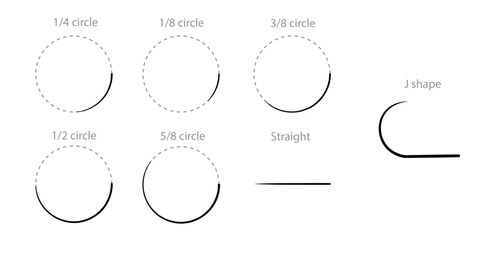
About Sutures-Needle Point 


  1. Cutting Edge – 2x types- Conventional & Reverse
  • Has 2x opposing sides that slice through tissue
  • Cutting Conventional needles are predominantly used on skin closures

2. Taper Point

  • Needle is flattened or rounded
  • Spreads tissue without cutting, less traumatic, decreased bleeding
  • Widely used in various tissue, muscle, fat, peritoneum

3. Taper Point-Blunt

  • Tapered needle with blunt point
  • Used to prevent needle stick injuries

4. Taper Cut Needle

  • Predominantly used in Vascular & Cardio Thoracic surgery
  • Used on hard calcified tissue and on prosthetic grafts
  • Cutting needle passes through tissue easily and taper point passes through friable tissue


Surgical Considerations


Point sizes of a needle vary, according to the tissue and room or ‘bite’ size required


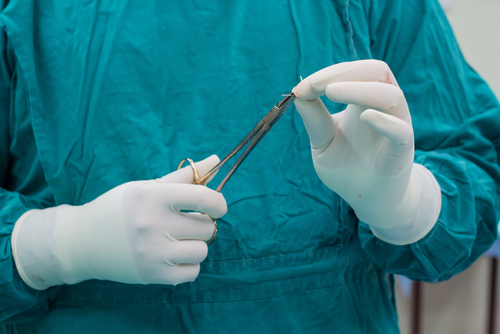
Points to consider when choosing a needle holder and loading a suture.


  1. Deep cavities require longer needle holders
  2. Thicker tissue may require stronger needle holders
  3. Load suture 1/3 of the distance from the swag
  4. Load suture at a 90 degree angle
  5. Needle should be loaded near the tip of the needle holder
  6. Confirm if the surgeon is right or left handed, load accordingly
  7. Needle holder should hold the needle in place and not move the needle when being used, usually the second clasp will hold in place
  8. Always be mindful of the tissue, the needle size and the length and size of the needle holder. Eg a small needle on a large & heavy needle holder may place pressure on the needle and break it.


Additional Considerations


  • Never give an orthopaedic surgeon a small needle holder, unless they ask for one


  • Always collect various size needle holders if unsure of size prior to surgery


  • Always confirm the suture type, needle size, needle point prior to opening a suture, they are costly and can be placed in the wrong packet at the end of a long day by a tired team member

Patient Safety using an Electro-Surgical Unit

Patients rely on healthcare facilities & health professionals to look after them during their surgical journey. The aim is to leave a healthcare facility in a more optimal state than when they were admitted.

In the OR an electro surgical unit is used in 80% of surgical cases, this involves an electrical current that can be localised- Bipolar (cautery), or is an electrical circuit- Monopolar. Incidences of electro surgical injuries according to research are under reported.


Monopolar is an electrical current that flows through the patient and requires a patient return electrode which connects to the electro surgical unit.

Thermal injury is a result of a burn from the use of electro surgery. This is why jewellery, piercings and any metal implants should be flagged with the peri-operative team, prior to surgery.

Laparoscopic cases have been show to increase the incidence of a surgical burn injury.


Research suggests that 3.6 per 1,000 laparoscopic procedures may result in a burn injury.


Electro surgical units are also a fire source, they are commonly referred to as a fire stick.


“It is currently estimated that around 500 to 600 surgical fires occur annually in the United States”, this impacts on patient safety but also impacts on healthcare facilities, costing them ‘millions of dollars annually”.


In order to reduce surgical burns the surgical team are responsible for assessing equipment & instruments prior to all surgical cases.


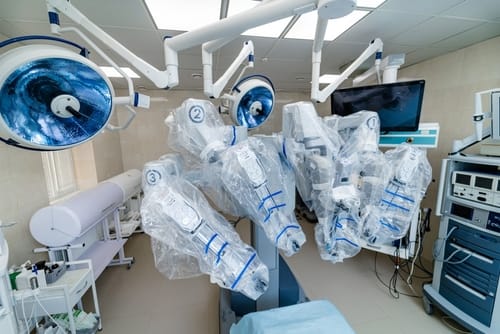
It is important that all surgical instruments are checked prior to use, to prevent thermal injuries, particularly in laparoscopic/robotic cases, where the insulation of laparoscopic instruments can become worn and compromised.

Leads & connections should also be checked.


Patient positioning is also extremely important so that no body part is touching any metal, especially in lithotomy and prone cases.


There are other safety precautions healthcare workers need to be mindful of, including prep solutions- pooling, alcohol and the use of oxygen, especially in the airway.


Pacemakers and any metal implants should also be flagged with the peri-operative team, in order for them to prepare the right equipment in advance of the surgery.


Depending on the type of surgery, bipolar may be a safer option.


Lets educate & support our healthcare workers


Educating and supporting clinicians is vital to empowering and informing best and safe practice.

Training & education requires time by employees and employers.


The value in supporting electrosurgery education benefits the facility by empowering and encouraging safe practice in addition to increasing a clinicians level of competence and understanding, all of which impacts, on safe surgical care & outcomes.


References
https://pubmed.ncbi.nlm.nih.gov/30472721/
https://www.ncbi.nlm.nih.gov/pmc/articles/PMC7456630/
https://www.jscimedcentral.com/jounal-article-info/Journal-of%C2%A0Dermatology%C2%A0and-Clinical-Research/Peri-Operative-Management-of-the–Patient-with-Body-Piercings-8253
https://www.infectioncontroltoday.com/view/managing-new-class-electrosurgical-risk
https://jackson-medical.com/prevent-electrosurgical-fires/
https://www.ncbi.nlm.nih.gov/pmc/articles/PMC5599256/
https://www.ncbi.nlm.nih.gov/pmc/articles/PMC3407433/
https://www.sciencedirect.com/science/article/abs/pii/S0002961016310285
https://www.ncbi.nlm.nih.gov/pmc/articles/PMC7456630/

Costs of staff ‘running’ for supplies outside of the OR, could cost up to $1,500.00.

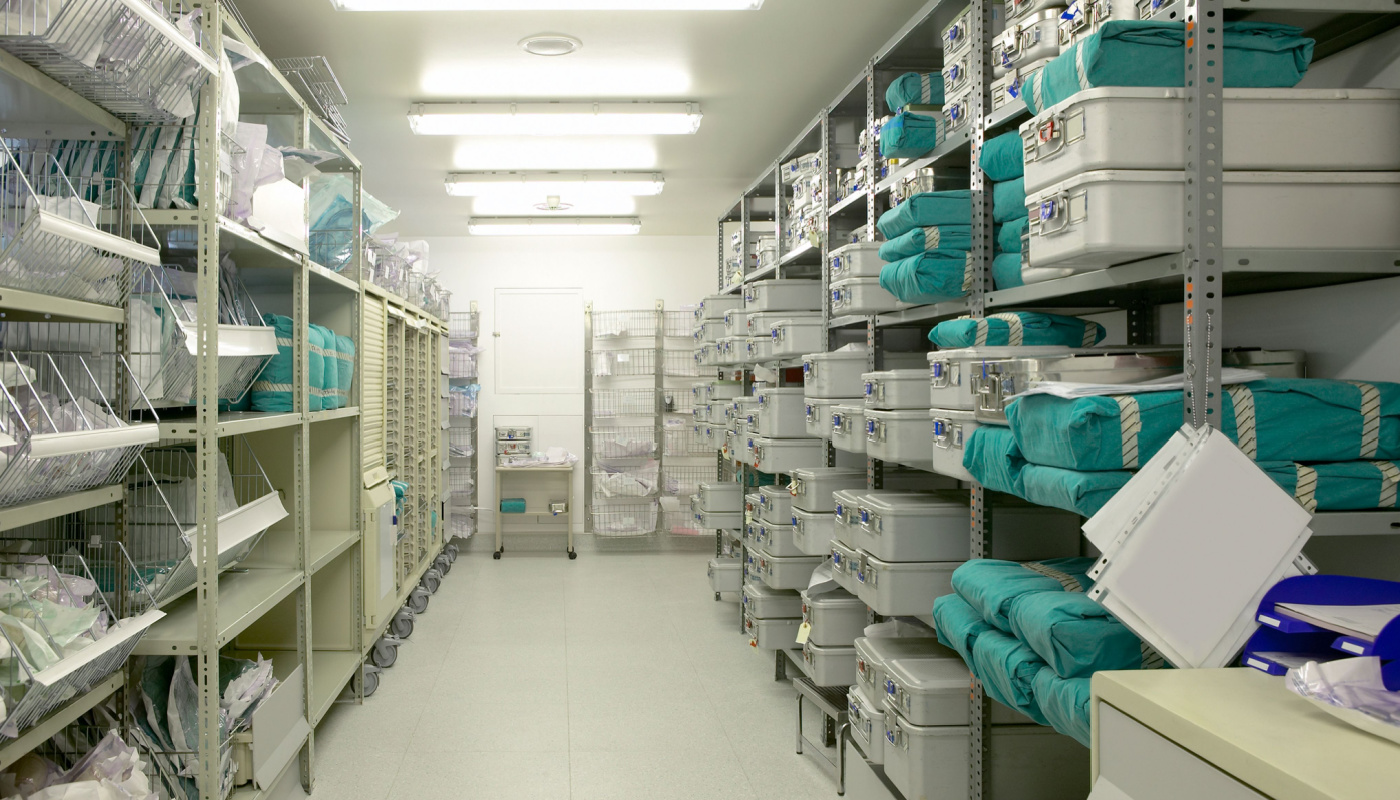
A hospitals operating room, store room, can be overwhelming, lots of surgical trays, equipment & supplies everywhere, most of the time in an order that make sense to a supply administrator but not to the surgical team..argh and with limited details to find what you actually need, quickly.


This impacts on costs, why, because there are many times when a surgeon may need additional supplies, unexpectedly, intra-operatively. When equipment can not be easily found this builds tension in the OR, in addition to prolonging surgical time, which can also impact on patient outcomes.


Research suggests that nurses spend 26% of intra-operative time outside of the OR, attending to additional needs of the surgeon, which would involve collecting additional equipment and supplies to support an optimized surgical outcome.


If the equipment required is necessary this can bring the entire operating room to a stand still, costing approximately $1,500.00 for the loss of 15minutes, waiting for the nurse to find the equipment.


Research also suggests that nurses ‘spend 21minutes per shift looking for lost equipment, taking them away from direct patient care’.


Hospitals need to provide the infrastructure for clinicians to optimize patient safety and to support them in their roles which would remove unnecessary stress, that wastes critical time. Improving clinical resources to streamline practices will improve efficiency and productivity, which will impact on staff and patients.


https://www.sciencedirect.com/science/article/pii/S1743919118305338


https://www.himss.org/resources/applying-rtls-technology-improve-nurse-efficiency-and-patient-care#:~:text=Time%20spent%20looking%20for%20equipment%20certainly%20takes%20them%20away%20from,shift%20searching%20for%20lost%20equipment.

Implications of Equipment Failure During Surgery

Research states that, ‘Implications of equipment failure during surgery’, occurred in 92% of surgical cases.

According to research,’equipment failures occurred in 76.9% of surgical cases. Equipment availability was impacted by 37.3% of surgical cases.

Unfortunately this is not surprising to those in the industry. I have witnessed first hand the lack of operating room checks, due to, time poor staff, who are already overloaded with paperwork and surgical setups.

When I first started working in the operating room as an instrument and circulating nurse, one of the first things I was taught, was to check the OR environment. This involved turning wall switches on and off, increasing/decreasing hardware settings.

Fast forward twenty plus years and there is more equipment to check, that is more technical and complex.

Staff are not given time to check equipment and the environment, which leads to intra-operative delays, stress and tension. Surgical time is impacted, patient safety is impacted, the waitlist is impacted and costs increase.

I hope that as we engage in more specialised practices that time is spent on checking the surgical environment and hard ware prior to the start of a surgical case load, or that specialised technical support is available to take the load off our already time poor health care professionals.

If you are a facility that provides your staff with additional time to setup and check equipment or has a technical support person. I would love to hear from you.

Contact Us


https://www.ncbi.nlm.nih.gov/pmc/articles/PMC9685966/


https://qualitysafety.bmj.com/content/22/9/710


Intra-Operative Pressure Injuries (PI)

A patient has surgery to address a disease, illness, or trauma. They are vulnerable and anxious and surgery maybe the final option.

Surgery can be costly and a patient does not need another complication, such as a Pressure Injury (PI).

According to the Agency for Healthcare Research & Quality, pressure ulcers cost $9.1-$11.6 billion per year in the US. Cost of individual patient care ranges from $20,900 to 151,700 per pressure ulcer.

https://www.ahrq.gov/patient-safety/settings/hospital/resource/pressureulcer/tool/pu1.html#:~:text=Cost%3A%20Pressure%20ulcers%20cost%20%249.1-%2411.6%20billion%20per%20year,ranges%20from%20%2420%2C900%20to%20151%2C700%20per%20pressure%20ulcer.

As healthcare professionals it is our role and responsibility to provide the best care we can, to our patients.

This is why pressure area care should be assessed and addressed.

There are a number factors that impact on intra-operative pressure care and what equipment should be used to support blood circulation and minimise pressure on vessels and tissue.

A patients own health and comorbidity can also impact on the predisposition for a postoperative PI.

Correct patient positioning, monitoring pressure sites and utilising equipment can aid in reducing PI. Moisture and heat sources such as a warming blankets can also play a role in the likelihood of skin breaking down.

It can be difficult to identify early stages of skin breakdown intra-operatively, which is why assessments and precautions should be undertaken preoperatively and postoperatively.

Research in identifying and educating health care workers is necessary to reduce the risks to patients. A 2019 study detected that 1 in 150 patients developed an intra-operative stage 1 PI. This study highlights the need for education and further research to assess a patients risk and implement strategies to reduce PI.

See more from AORN about how much a PI is costing your facility.

https://www.aorn.org/syntegrity/resources/tools-calculators/pressure-injury-calc#:~:text=Pressure%20ulcers%20costs%20hospitals%20up%20to%20%2426.8%20billion,first%2C%20calculate%20how%20much%20they%E2%80%99re%20costing%20your%20facility.

Communication in the OR & Valuing Senior OR Staff

The operating room is an environment where the room for error is minimal and time is always critical.
Surgery is becoming more complex, technical & challenging, which is why, communication & experience should be valued, especially when it comes to operating room professionals.

Effective verbal, observation & listening skills are qualities all surgical team members must demonstrate. Rothrock (2011) states that, “ improved communication is imbedded in human factors, culture, and social systems, all of which are more complex than checklists, mnemonics, and acronyms”.

A senior and experienced OR nurse, ST or ODP is able to recognise a change in the environment, they are able to ‘read the room’ & assess where attention should be focused.

They are able to ask concise questions at pivotal moments.

Example, does the laparoscopic or robotic case need to be ‘opened’? If so what trays & equipment do I require? Is there a bleeding vessel, are more fluids required for irrigation, are additional clips, ties, endoloops required?

Senior staff are able to think ahead because of their experience and surgical exposure especially if they are skilled across multiple surgical specialties.

Time can be critical during these intense moments and cohesive teamwork is vital in reducing surgical time. Surgical errors and complications arise when there is tension.

Time and experience matter, and there is usually a higher cost for these skilled clinicians, is the money worth it? Yes indeed!

Experienced OR staff  bring a wealth of experience, they have trouble shooting skills & clinical knowledge, they are able to think quickly and prioritize the needs of the surgical team.

Surgical time can have a direct impact on a patient, leading to longer post-op recovery which can impact on reduced bed availability and increased hospital costs.

Thank you to all the senior operating room professionals who have a wealth of skills and experience. Never forget how valuable you are.

Who is responsible for monitoring the Intra-Operative IDC?

I wanted to get your feedback on this issue as I observe this intermittently across varying OR’s and I wondered who should take ownership or is it a collective level of responsibility?
The IDC (indwelling catheter) may have been placed by the surgical team, nurse or OR professional, once insitu, who is responsible for monitoring the urine output and if needed updating the fluid balance chart?
I have observed catheters not draining as the catheter was kinked after positioning the patient and this was only observed after I had completed a surgical count, connected equipment and opened all supplies, as a circulator there are other priorities which take place.
I have also observed the catheter being full, requiring a jug to empty it intra-operatively, and the other day the catheter had not drained anything after 1.5hrs into the case.
There are a number of reasons why the urine was not draining, this is for another blog, however my main concern is, who should be responsible for observing and monitoring urine output intra-operatively, or is it a collective level of responsibility?